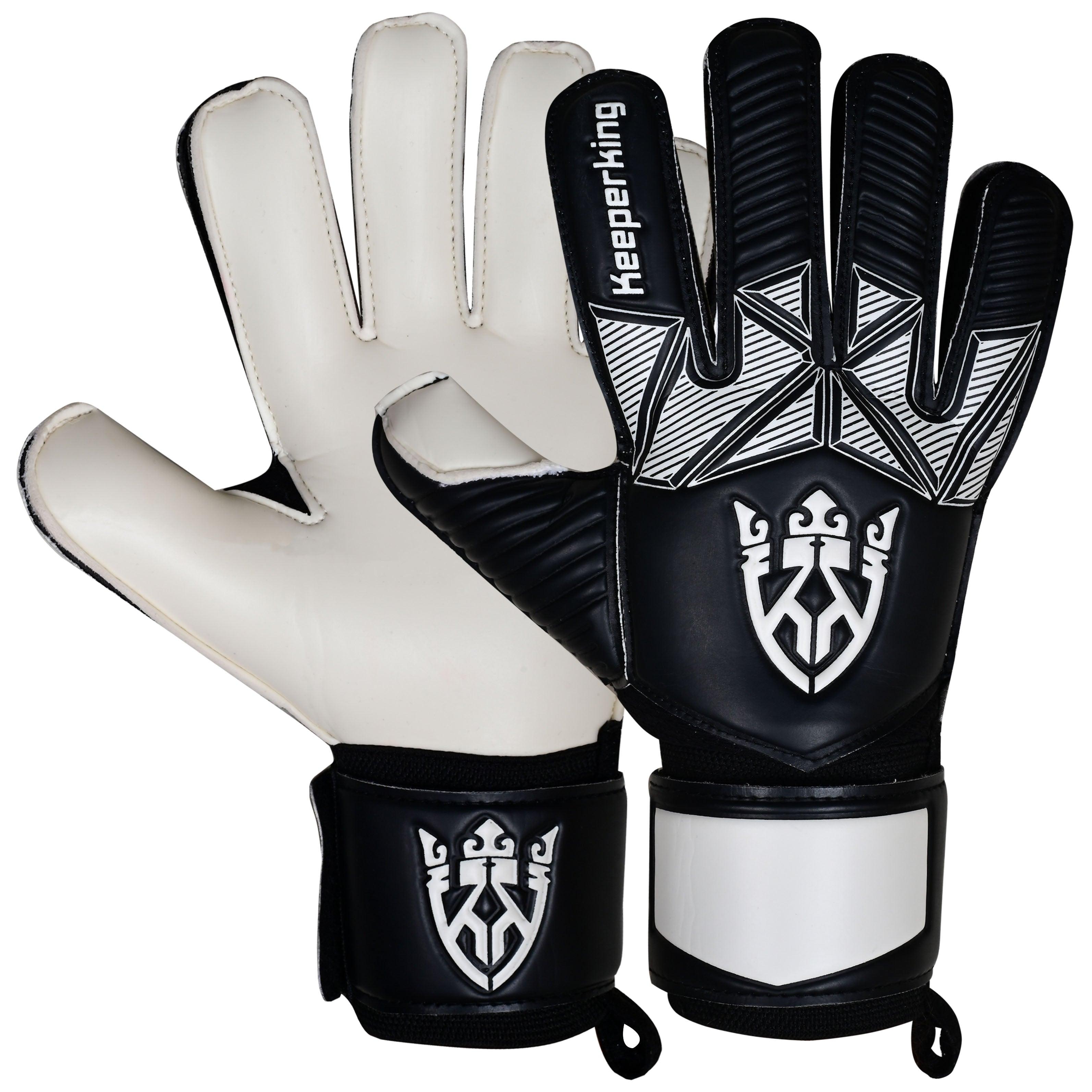
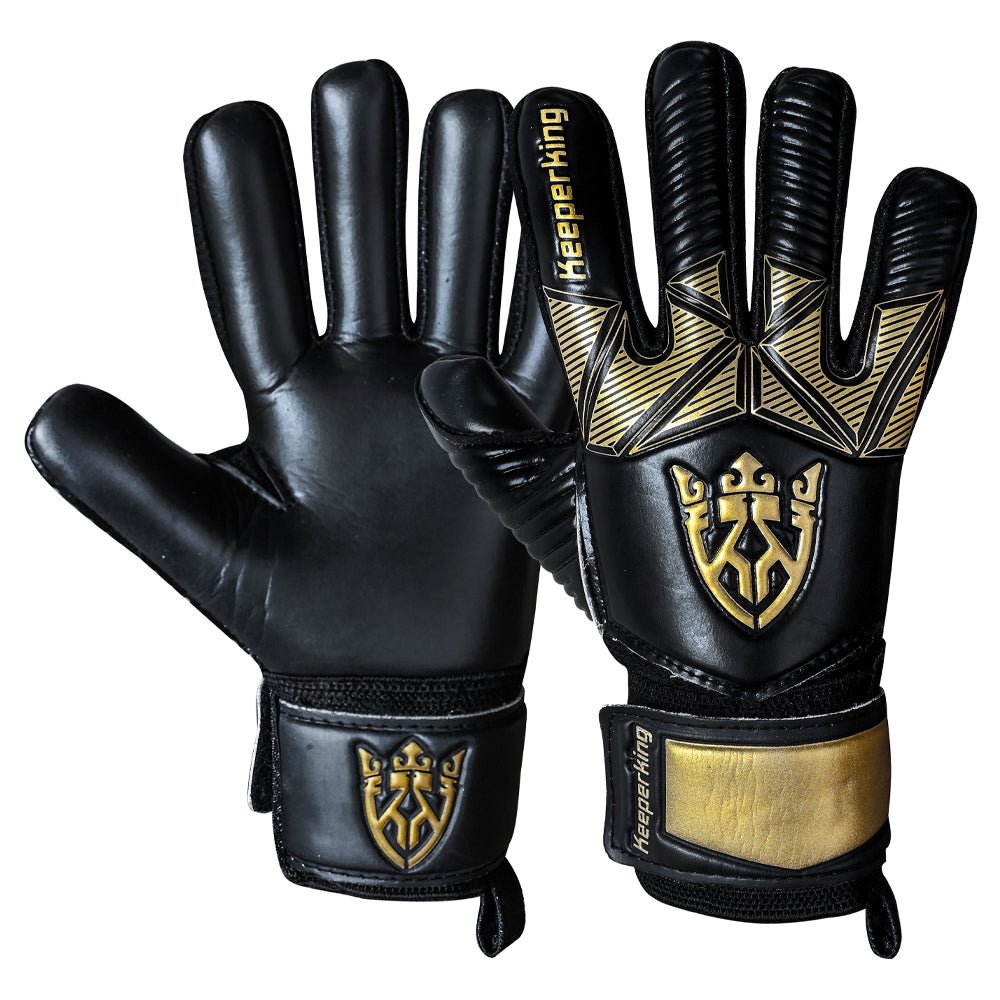
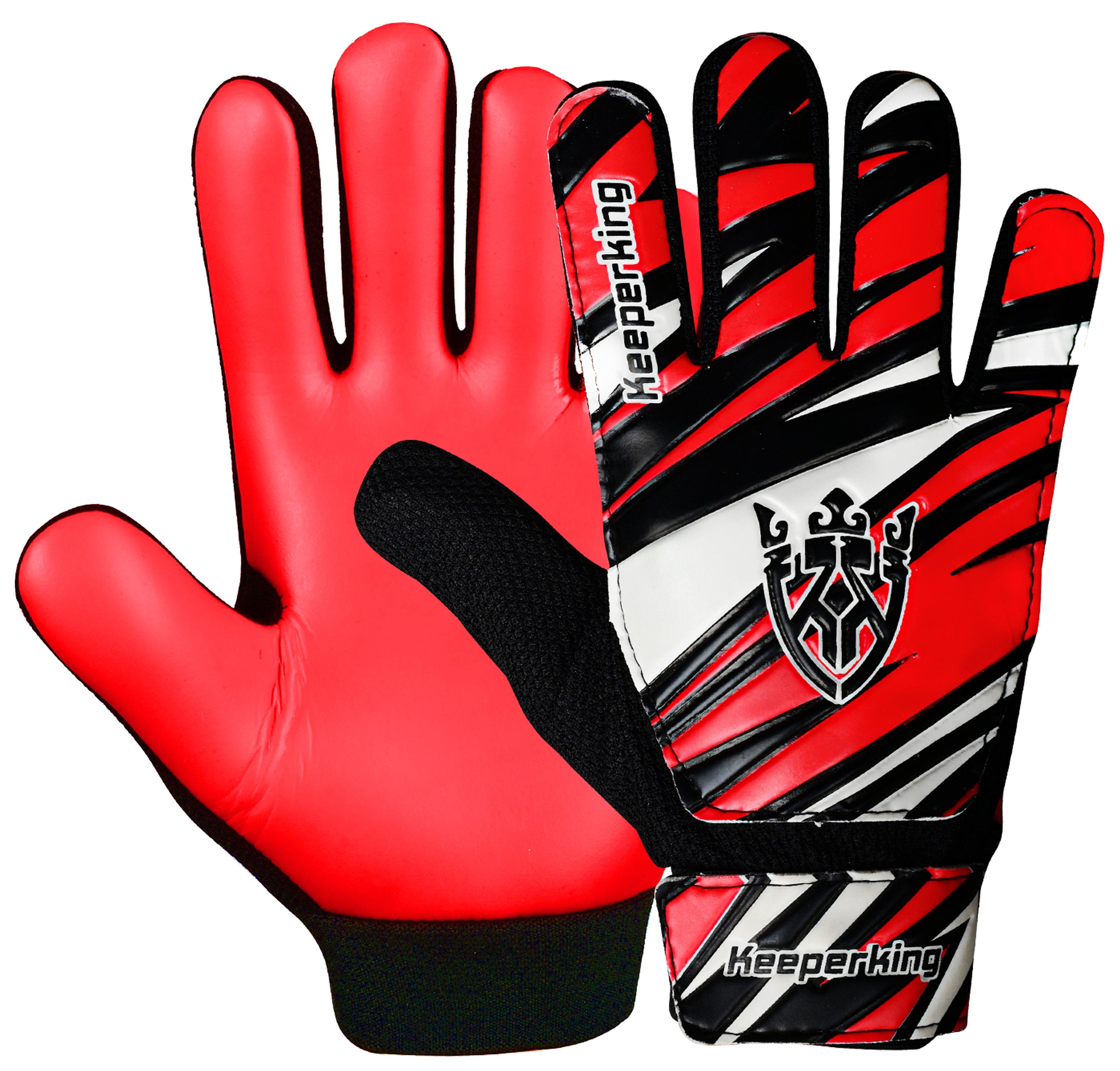
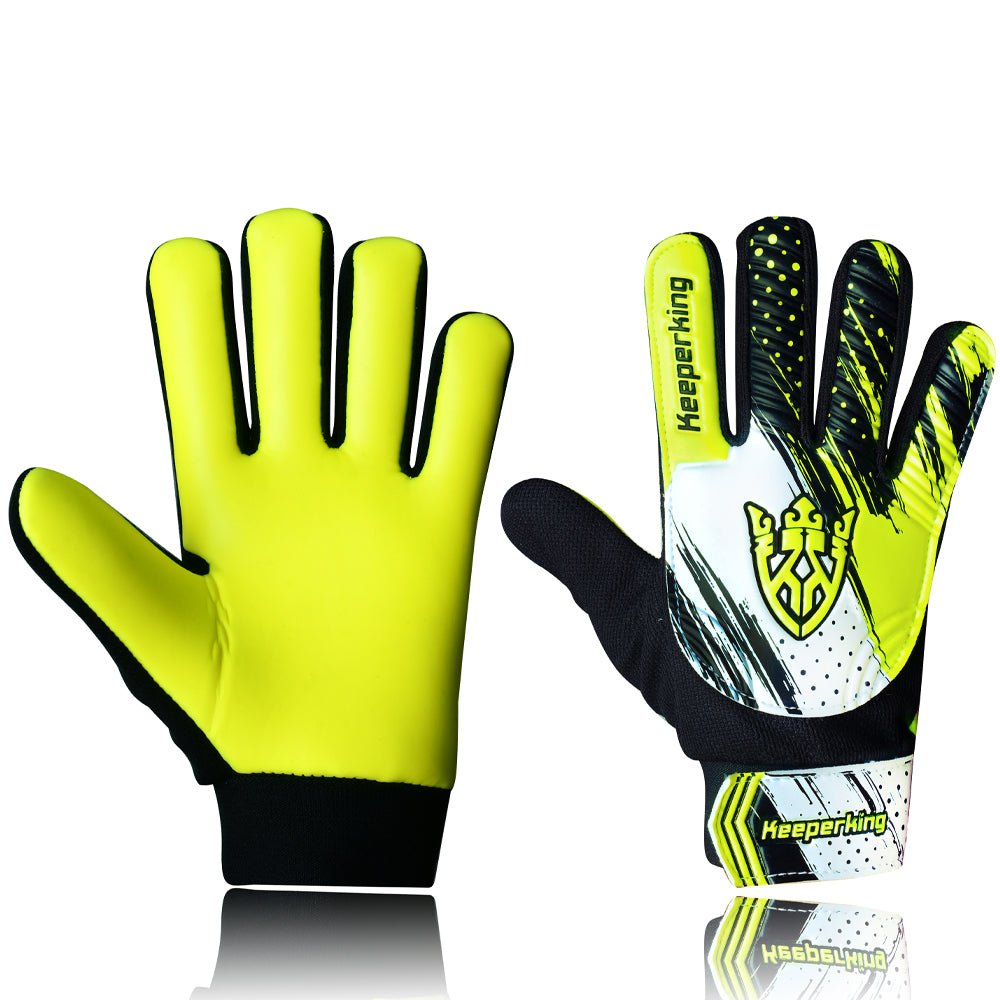
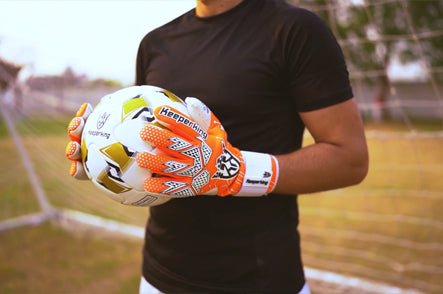
If your child decides to become a goalkeeper, the right equipment is an important step in developing their potential. Children's goalkeeper gloves are an essential piece of equipment that can improve not only performance but also the safety of your young goalkeeper. But how do you choose the right gloves? Here are some helpful tips to assist parents in making their decision.
1. Finding the right size
The fit is crucial for comfort and effectiveness. Gloves that are too big can slip and prevent your child from gripping the ball properly. Gloves that are too small, on the other hand, will pinch uncomfortably and restrict freedom of movement. Be sure to measure your child's hands before buying gloves – the width and length of the hand are key. Many manufacturers offer special size charts to help you choose the right size.
Tip: Have your child try on the gloves before buying them. There should be enough room for their fingers without the gloves being too loose.
2. Material and workmanship
Children are often inexperienced in using goalkeeper gloves, so the material should be robust and durable. Latex is a common material that offers good grip and protection, but pay attention to the quality, as cheaper versions wear out quickly. The workmanship of the seams is equally important – poorly made gloves could tear or pinch uncomfortably.
Synthetic or latex?
Synthetic materials are often cheaper and easier to clean, while latex offers better grip and flexibility. If your child is just starting out as a goalkeeper, a more affordable entry-level synthetic model could be a good choice.
3. Grip and adhesion
Grip is essential for a secure hold on the ball. The coating on the gloves – usually on the palm – provides the necessary traction. A soft latex surface is sufficient for dry weather, while a special all-weather grip is recommended for rain or wet conditions. Therefore, consider the conditions in which your child primarily plays.
Practical tip: Maintain the gloves regularly, for example by wiping them with a damp cloth, to preserve their grip for longer.
4. Comfort and safety
Children often spend long periods of time in training or a match, so their gloves should be comfortable. Look for breathable materials that prevent sweating and soft padding that protects the fingers and palms. Some models offer special finger protection technologies that can protect fingers from painful hyperextension – a great option for younger children who aren't yet confident in their goalkeeper stance.
5. Proper care
To ensure your gloves last a long time, clean them regularly and store them carefully. Remove dirt and dust after each use and avoid direct sunlight, as this can damage the material. Store the gloves in a special glove bag to keep them protected.
6. Consider the price-performance ratio
For beginners, the most expensive model isn't necessarily the best choice. There are many affordable options that are perfectly adequate to start with. However, make sure that the quality and functionality are still good. Remember that children grow quickly – you might need to buy a new one within a few months.
Pro tip: Many sports shops offer children's sets including clothing and gloves. Ask about them to save money!
Conclusion
Choosing the right children's goalkeeper gloves requires a little preparation, but it's worth it to ensure your child's safety and enjoyment in goal. Pay attention to size, material, grip, and comfort, and don't forget to care for the gloves regularly. With well-fitting, high-quality gloves, your child will be perfectly equipped to stand confidently and safely in goal. Good luck on the pitch!